Underrated AI Side Hustles in 2026 (Low Competition, High Profit Worldwide)
The global AI boom is creating massive income opportunities. While most people chase saturated ideas, smart creators are tapping into low-competition AI side hustles that work from anywhere in the world.
If your goal is to make money online globally in 2026, this guide reveals powerful, untapped opportunities.
🌍 Explore more global income strategies on
Shubscribe
1. AI Prompt Marketplace Selling
Create and sell prompts for AI tools on platforms like
PromptBase or marketplaces for creators.
2. AI Thumbnail Design Service
YouTube is global. Offer high-converting thumbnails using AI tools and sell services on freelance platforms.
3. AI Automation for Businesses
Businesses worldwide are adopting automation. Offer chatbot setup, email automation, and AI workflows.
AI Content Creation Trends in 2026: Future of Generative AI in Marketing
AI Content Creation Trends in 2026
The Future of Generative AI in Marketing & Blogging
Artificial intelligence is transforming digital marketing faster than ever. AI content creation trends in 2026 show that businesses, bloggers, and creators are using automation, personalization, and generative AI tools to scale content production efficiently.
1. Rise of Generative AI Content Tools
Generative AI platforms like ChatGPT and other AI writing tools allow marketers to create blog posts, emails, ad copy, and social media content within minutes. This increases productivity while reducing operational costs.
AI blog writing
Email automation
AI ad copy creation
Social media caption generation
2. AI Content Automation Workflows
AI content automation is becoming mainstream. Businesses are building systems where AI generates content, repurposes it, and schedules it automatically across multiple platforms.
3. AI Personalization Trends
AI analyzes user behavior to create personalized email sequences, website copy, and product recommendations. This significantly increases engagement and conversions.
4. AI in Blogging and SEO
AI tools now assist with keyword research, meta descriptions, readability optimization, and competitor analysis. AI-powered SEO strategies help blogs rank faster in search engines.
5. AI Video Content Creation
Short-form videos dominate marketing. AI tools can now convert blog posts into scripts, generate voiceovers, and create automated video content for YouTube and social platforms.
6. AI Image Generation
AI-generated visuals help creators design thumbnails, blog banners, and marketing graphics without hiring designers.
7. AI vs Human Content Creation
AI enhances efficiency, but human creativity remains irreplaceable. The best strategy in 2026 is combining AI tools with authentic storytelling and editing.
8. Content Repurposing with AI
One long-form article can be converted into multiple posts across platforms using AI tools, increasing reach without increasing effort.
Future of AI in Content Marketing
The future includes smarter personalization, real-time content adaptation, voice-search optimization, and deeper CRM integrations.
Frequently Asked Questions
What are the latest AI content creation trends?
AI automation, personalization, generative AI tools, and AI-powered video creation are leading trends.
Is AI-generated content good for SEO?
Yes, when properly optimized and edited, AI-generated content can rank well in search engines.
Will AI replace content writers?
No. AI improves efficiency, but human creativity and experience remain essential.
In the rapidly evolving landscape of the digital age, online business has emerged as a cornerstone of economic growth and innovation. The transition from traditional brick-and-mortar establishments to online ventures has been propelled by advancements in technology, shifts in consumer behavior, and the increasing accessibility of the internet worldwide. As we look towards the upcoming decade of 2025 to 2035, understanding the current trends in online business is crucial for aspiring entrepreneurs.
The importance of staying abreast of emerging trends cannot be understated. These trends often dictate market demands, customer preferences, and competitive dynamics. Entrepreneurs who adapt to the evolving digital landscape can identify unique opportunities for growth and innovation. For instance, the rise of e-commerce has transformed how consumers make purchases, leading to an increase in demand for online services and goods.
Moreover, the integration of artificial intelligence, social media marketing, and data analytics within online business models presents a unique set of prospects that savvy entrepreneurs can leverage. Tools and platforms that facilitate direct engagement with customers have changed the way businesses relate to their audiences. Those who harness these technologies will likely enjoy a significant edge over competitors unwilling to adapt.
As we navigate this new digital terrain, it becomes evident that the next decade will be marked by unprecedented challenges and unique entrepreneurial opportunities. From the growth of remote work to the expansion of digital marketing strategies, the potential for online businesses to flourish is immense. By understanding and responding to these trends, businesses can position themselves favorably for success in a competitive market.
The Rise of E-commerce: Trends and Opportunities
The e-commerce landscape has experienced remarkable growth over the past decade, and this upward trajectory is expected to continue well into the 2025-2035 period. As consumers increasingly turn to online shopping for convenience and accessibility, it has prompted a significant transformation in their purchasing behaviors. The impact of technological advancements cannot be understated; innovations in mobile commerce, artificial intelligence, and augmented reality are streamlining the shopping experience, making it more personalized and engaging.
One of the notable shifts in consumer behavior is the preference for seamless and intuitive online shopping experiences. Consumers are not only looking for a wide array of products, but they also seek convenience in transactions. This demand has driven many businesses to adopt advanced inventory management systems, reliable payment gateways, and efficient delivery mechanisms. As a result, e-commerce entrepreneurs have a unique opportunity to carve out niches within this expansive market.
Potential niches within e-commerce, such as subscription-based services, eco-friendly products, and personalized merchandising, are gaining traction. Entrepreneurs who can identify and cater to specific audience demands in these areas may find substantial success. Additionally, the rise of social commerce, where social media platforms facilitate direct shopping experiences, presents an exciting avenue for online business. By integrating traditional retail concepts with digital innovation, e-commerce businesses can engage users more closely and drive sales directly through social channels.
To effectively leverage the trends and opportunities in e-commerce, entrepreneurs will need to stay attuned to these major shifts. Understanding consumer preferences, nurturing customer relationships, and employing technology strategically are key elements for carving out a successful online business in this vibrant sector. As the e-commerce landscape evolves, those who adapt swiftly and decisively will be well-positioned to thrive in the new digital marketplace.
Subscription-Based Business Models
The rise of subscription-based business models has become increasingly evident across various industries. With the advent of digital transformation, consumers are gravitating towards services that offer convenience and cost-effectiveness. Subscription services range from video and music streaming platforms to meal kit deliveries and curated products, providing businesses with a recurring revenue stream and enhancing customer loyalty.
One of the primary advantages of subscription-based models is the reliable cash flow they generate. This financial predictability allows businesses to plan effectively, allocating resources toward marketing, customer service, and product development. Additionally, subscription models facilitate stronger customer relationships. By keeping customers engaged over time, businesses can gather valuable data regarding preferences and purchasing habits, which can be utilized to enhance their offerings further.
For consumers, subscription services often present significant benefits. Customers can access a wider variety of products or services while paying a lower upfront cost. Subscription services also offer the flexibility of canceling or modifying subscriptions, allowing users to tailor their experience according to their changing needs. This model has democratized access to goods and services that were previously considered premium, such as specialty foods, wellness products, and exclusive online courses, making them more accessible to the general public.
For those interested in starting a subscription business, there are numerous ideas to explore. Examples include subscription boxes for niche hobbies, personalized health and wellness products, or educational services that provide resources and support for ongoing learning. Furthermore, businesses can focus on eco-friendly or sustainable products, appealing to environmentally-conscious consumers. In the evolving marketplace of 2025-2035, pursuing a subscription-based business could offer lucrative opportunities, catering to the increasingly subscription-centric economy.
Embracing Sustainability in Online Business
As the global consciousness concerning environmental issues continues to grow, sustainable practices have increasingly become a central theme for modern enterprises. In the context of online businesses, this trend necessitates the adoption of eco-friendly strategies that resonate with an ever-expanding eco-conscious consumer base. Sustainability does not merely serve as a marketing gimmick; rather, it represents a fundamental shift in consumer preferences, prompting businesses to reconsider their operational frameworks.
To embrace sustainability effectively, online businesses can start by evaluating their product offerings. Integrating sustainable products and services into their catalog, such as those manufactured using ethically sourced materials or produced through environmentally friendly processes, is an essential first step. This not only enhances brand credibility but also aligns with the values of consumers who prioritize responsible consumption.
Additionally, online businesses should aim to minimize their carbon footprints. This can be achieved by optimizing supply chains to reduce waste, implementing energy-efficient technologies, and choosing sustainable packaging options. These practices resonate particularly well in the online retail space, where shipping and packaging play a significant role in environmental impact. Moreover, businesses can leverage technology to track their sustainability initiatives and demonstrate transparency to customers, fostering a sense of trust and loyalty.
Furthermore, educating the target audience about the importance of sustainability can create a more engaged community and stimulate demand for eco-friendly products. Utilizing digital platforms to share insights, blogs, and social media campaigns on environmental issues can position businesses as thought leaders in the sustainability arena.
In essence, by prioritizing sustainability, online businesses can not only enhance their market appeal but also contribute to the larger goal of environmental conservation. This alignment with sustainability principles ensures long-term relevancy and success in the competitive landscape of the decade spanning 2025 to 2035.
Leveraging Remote Work and Freelancing Opportunities
The advent of technology and the accelerated shift towards digital solutions have paved the way for a dramatic rise in remote work and freelancing opportunities. With more companies adopting flexible working arrangements, professionals from diverse fields are now exploring new avenues to earn a living outside traditional employment. This shift has given rise to various platforms that facilitate remote work, allowing individuals to connect with clients globally while maintaining the freedom of working from anywhere.
Freelancing platforms such as Upwork, Freelancer, and Fiverr have become popular among those looking to offer their skills and expertise without the constraints of an office environment. These platforms allow freelancers to create profiles showcasing their skill sets, receive client feedback, and bid for projects that align with their capabilities. Additionally, these services cover a vast range of industries, from graphic design and programming to writing and digital marketing. Such diversity provides multiple avenues for income generation, catering to a wide array of interests and talents.
On the business side, organizations are increasingly turning to remote talent to reduce overhead costs and access a larger talent pool. By leveraging freelancers, companies can hire specialized skills as needed, which can enhance project efficiency without the commitment of long-term employment. Further, remote work fosters an inclusive work environment, allowing businesses to tap into expertise from different geographic locations. This approach not only enhances innovation but also bolsters diversity within teams, which is a growing focus in the modern workforce.
As we move towards 2035, the trend of remote work will likely continue to grow, presenting exciting opportunities for both freelancers and businesses. Those interested in freelance work should keep abreast of emerging platforms and industries, while businesses should prioritize strategies to integrate remote talent effectively into their workflows.
The Impact of AI and Automation on Business Models
Artificial intelligence (AI) and automation are driving significant changes in business models across various sectors. As technology advances, entrepreneurs are increasingly seeking ways to incorporate AI tools into their strategies to enhance operational efficiency. These tools facilitate tasks that require data analysis, customer interaction, and decision-making, enabling businesses to streamline processes and reduce human error.
One prominent application of AI in business environments is in customer service. AI-powered chatbots and virtual assistants are capable of responding to customer inquiries 24/7, providing instant support and freeing up human employees to focus on more complex issues. This integration not only improves customer satisfaction but also reduces operational costs, allowing businesses to allocate resources to other critical areas.
Moreover, AI can assist in data analysis, helping entrepreneurs gain insights into customer behavior and market trends. Predictive analytics, powered by machine learning algorithms, enables businesses to forecast future demands and tailor their offerings accordingly. By understanding consumer preferences, business owners can develop targeted marketing strategies that enhance engagement and drive sales.
Automation also plays a crucial role in optimizing supply chain management. Automated inventory systems can track stock levels in real-time, alerting companies when replenishment is necessary. This capability reduces the risk of overstocking or stockouts, enabling businesses to maintain a lean inventory and improve turnover rates.
Furthermore, integrating AI and automation into internal operations leads to greater productivity. Businesses can automate repetitive tasks such as data entry, payroll processing, and reporting, allowing employees to focus on creative and strategic initiatives. This shift not only streamlines workflows but also fosters an innovative work environment.
The Growing Influence of Social Media Marketing
In the contemporary digital landscape, social media marketing has emerged as a crucial strategy for businesses aiming to enhance their online presence. With billions of users engaged on platforms such as Facebook, Instagram, Twitter, and LinkedIn, social media offers unparalleled opportunities for brands to connect with potential customers. This medium is not only instrumental in promoting products and services but also plays a pivotal role in shaping consumer perceptions and building brand loyalty.
Effective social media marketing requires a comprehensive understanding of the target audience. Businesses must analyze demographic data and trends to tailor their content, ensuring relevance and resonance with potential consumers. Visual content, videos, and interactive posts often generate higher engagement levels, making them essential components of a successful strategy. Additionally, establishing a consistent brand voice and visual identity across platforms fosters recognition and trust among followers.
Engagement is a key aspect of social media marketing. Companies need to actively participate in conversations with their audience, responding to comments and messages promptly. Hosting live sessions or Q&As can further stimulate interaction, allowing businesses to understand customer needs and preferences better. Furthermore, user-generated content is a powerful driver of authenticity, encouraging customers to share their experiences and recommendations, thereby enhancing brand visibility.
Additionally, leveraging social media analytics tools can provide insights into campaign performance and audience behavior, enabling businesses to refine their strategies continuously. As algorithms evolve, adapting to new trends and features, such as short-form videos or ephemeral content, will also be critical in maintaining relevance in the market.
In conclusion, the growing influence of social media marketing is evident as it continues to redefine how businesses interact with their customers. By employing targeted strategies that promote engagement and brand visibility, companies can harness the full potential of social media to drive growth and success in the coming decade.
The Future of Education and Online Learning Platforms
As we progress towards the decade between 2025 and 2035, the relevance and demand for online education platforms continue to grow exponentially. The shift from traditional classroom settings to digital learning environments has been accelerated by advances in technology and changing societal expectations. Online learning offers a flexible, accessible, and personalized approach to education, catering to diverse learning styles and schedules.
In this digital age, e-learning platforms are becoming essential tools for both educators and learners. These platforms facilitate a variety of educational offerings, from formal courses to informal workshops and webinars. This growing trend presents significant business opportunities for entrepreneurs to create specialized online educational services. Starting a platform that focuses on specific niche subjects, such as coding, photography, or foreign languages can yield considerable interest and engagement.
Coaching and tutoring services are also evolving with the rise of online education. With a focus on personalized learning, entrepreneurs can leverage one-on-one or group coaching sessions through video conferencing tools. This model allows educators to connect with students worldwide, breaking geographical barriers and expanding their reach. Additionally, creating educational content such as video tutorials, interactive quizzes, or comprehensive e-books can provide value to learners while generating income for content creators.
The incorporation of emerging technologies such as artificial intelligence and virtual reality can further enhance the online education experience. Businesses that invest in developing advanced learning management systems that integrate these technologies will likely see a competitive advantage. Overall, the future of education and online learning platforms will be characterized by innovation, accessibility, and customization, making it a lucrative sector for entrepreneurs and educators alike.
Conclusion: Preparing for the Future of Online Business
As we look ahead to the decade spanning 2025 to 2035, the landscape of online business is set to undergo significant transformations. Throughout this blog post, we have explored various innovative online business ideas that highlight the necessity to leverage technology, understand consumer behavior, and anticipate market trends. Key areas such as e-commerce, digital marketing, and remote services present ample opportunities for businesses willing to adapt to emerging trends.
One crucial takeaway is the importance of adaptability in navigating the evolving online business environment. The rapid pace of technological advancement and shifts in consumer preferences necessitate that online entrepreneurs continually refine their strategies. Whether it involves embracing new digital tools or pivoting to meet the latest consumer demands, the need for flexibility remains paramount.
Additionally, innovation serves as a cornerstone for long-term success in online business ventures. Developing unique offerings and incorporating creative solutions can differentiate a business from its competitors. This not only attracts customers but also builds brand loyalty in a crowded marketplace. Entrepreneurs must foster an innovation-driven culture that encourages experimentation and risk-taking.
Lastly, continuous learning is essential for anyone participating in the online business arena. The nature of digital markets means that what works today may not work tomorrow. Engaging in ongoing education—whether through formal training, online courses, or industry webinars—will equip entrepreneurs with the necessary insights and skills to thrive.
In conclusion, the future of online business will undoubtedly present challenges, but by embracing adaptability, fostering innovation, and committing to continuous learning, aspiring entrepreneurs can position themselves for success in the decades ahead.
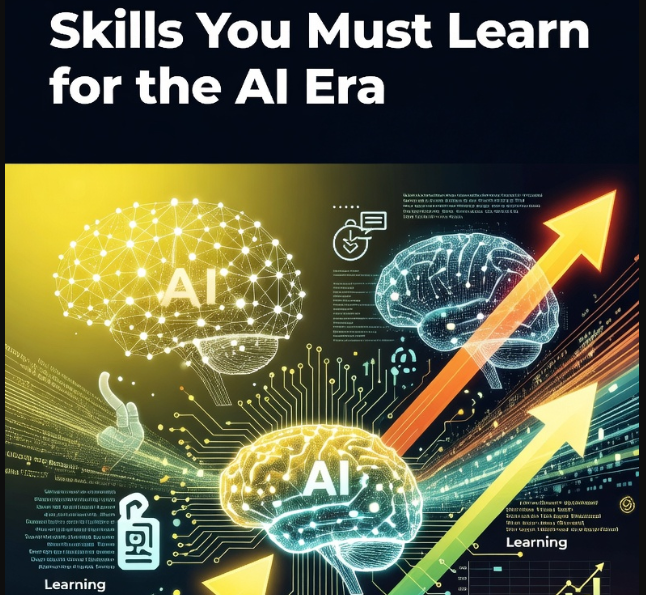
As we transition into the AI era, it’s crucial to adapt and equip ourselves with the skills necessary to thrive in an increasingly digital landscape. The integration of artificial intelligence in various sectors is transforming how we work, communicate, and solve problems. To stay relevant and competitive, certain skills are becoming indispensable.
Technical Proficiency
One of the primary skills to cultivate is technical proficiency. Understanding the basics of AI and machine learning can significantly enhance your capabilities in any field. Familiarizing yourself with programming languages like Python, which is widely used in AI development, can provide a solid foundation. Additionally, learning about data analytics will not only boost your resume but also enable you to make data-driven decisions.
Critical Thinking and Adaptability
As automation takes over repetitive tasks, the need for critical thinking and creativity becomes ever more essential. You’ll want to develop the ability to analyze complex problems and devise innovative solutions using AI tools. Furthermore, adaptability is key. The AI landscape is constantly evolving, and being open to learning new technologies and methodologies will help you stay ahead of the curve.
Effective Communication
Lastly, enhancing your communication skills can significantly impact your success in the AI era. Being able to convey complex ideas simply and persuasively is invaluable, especially when working alongside AI systems and teams. Clear communication fosters collaboration and ensures that everyone is aligned towards common goals.
In summary, mastering technical skills, cultivating critical thinking, and polishing communication abilities are essential steps to ensure you not only keep pace with the AI era but thrive within it!
Artificial Intelligence (AI) is a branch of computer science focused on creating systems capable of performing tasks that typically require human intelligence. These tasks include learning, reasoning, problem-solving, perception, understanding natural language, and even creativity. The significance of AI in our technology-driven world cannot be overstated, as it has permeated various sectors, resulting in transformative changes in how businesses operate and individuals interact with technology.
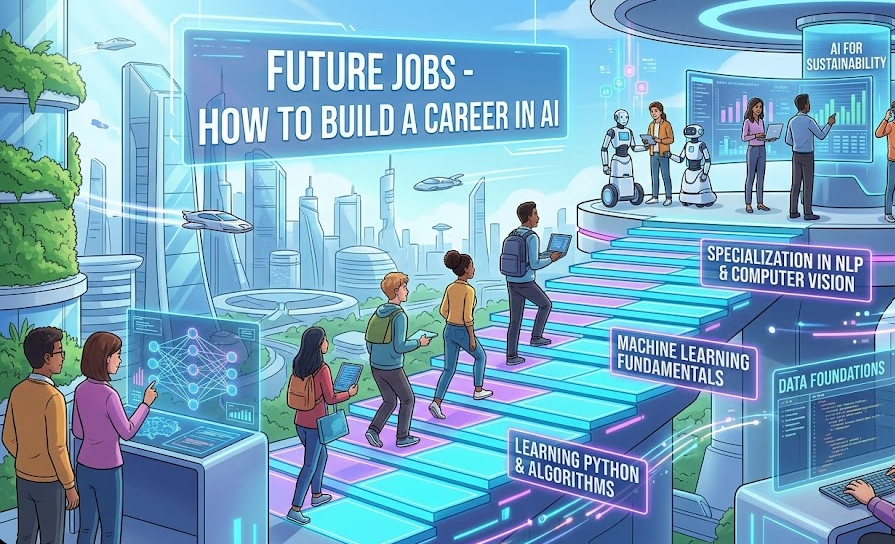
AI can be classified into different branches, each addressing specific aspects of the field. The primary categories include machine learning, where computers learn from data to improve their performance; natural language processing, which focuses on enabling machines to understand and respond to human language; computer vision, which allows computers to interpret and make decisions based on visual data; and robotics, integrating AI into machines that perform tasks in the real world. Understanding these branches provides a solid foundation for those interested in pursuing a career in AI.
Current trends in AI highlight its rapid evolution and underscore its importance in today’s economy. Companies are increasingly leveraging AI technologies to enhance productivity, automate routine tasks, and gain insights from large datasets. Furthermore, advancements in deep learning, a subset of machine learning that mimics the human brain’s neural networks, have led to impressive breakthroughs in various applications, such as image and voice recognition. As industries recognize the potential benefits of integrating AI, it has become a critical area of focus for research and development.
For anyone considering a career in artificial intelligence, understanding its foundations, branches, and trends is essential. This knowledge not only prepares individuals for potential challenges but also provides insight into the myriad opportunities available in the evolving landscape of AI.
Educational Pathways and Skill Development
As the field of artificial intelligence (AI) continues to grow and evolve, various educational pathways have emerged to prepare individuals for a career within this exciting domain. The most common route involves obtaining a degree in computer science, data science, or machine learning. These programs typically offer a foundational understanding of algorithms, data structures, and the essential principles that underpin AI technology.
In addition to traditional degrees, many institutions now offer specialized certifications in AI and machine learning that can enhance a candidate’s skill set. Such certifications provide focused training on specific tools, techniques, and methodologies widely used in the industry. Renowned platforms and universities frequently offer these programs, making them accessible to aspiring AI professionals.
Beyond formal education, practical experience is equally crucial. Internship opportunities during one’s studies provide invaluable exposure to real-world applications of AI, allowing individuals to work on live projects and understand industry challenges. Additionally, participating in AI-focused hackathons can sharpen problem-solving skills and foster creativity while providing a collaborative environment to learn from peers.
To thrive in the AI landscape, individuals should prioritize developing technical skills in programming languages such as Python and R, which are commonly used in AI development. Moreover, knowledge in statistical analysis is imperative for interpreting data and making informed decisions. Familiarity with machine learning frameworks like TensorFlow or PyTorch can greatly enhance a candidate’s capabilities, as these tools facilitate the building of AI models.
In conclusion, pursuing a career in AI requires a robust educational foundation combined with practical experience and specialized technical skills. By strategically navigating educational opportunities and actively seeking hands-on experience, individuals can position themselves for success in this dynamic field.
Building a Professional Network in the AI Community
Building a successful career in artificial intelligence (AI) demands more than just technical skills; it requires a robust professional network. Networking in the AI community can play a significant role in enhancing career opportunities and providing access to valuable resources and knowledge. Understanding the importance of connecting with other professionals and experts in the field should be the first step in this journey.
One effective strategy to establish a professional network in AI is to attend conferences and workshops dedicated to this emerging field. Events such as NeurIPS, CVPR, and AAAI attract top experts and innovators, creating a fertile ground for networking. These gatherings facilitate interactions with thought leaders and peers, enabling the exchange of ideas and insights. Additionally, taking workshops at these events can improve technical skills while expanding one’s network.
Joining online forums and platforms like LinkedIn can also be advantageous for building connections in the AI community. Engaging in discussions on platforms like GitHub and Kaggle projects can enhance visibility and recognition among fellow AI enthusiasts. Participating in specialized online courses can lead to networking opportunities with instructors and classmates who share similar interests.
Moreover, seeking mentorship from experienced professionals in AI can significantly elevate one’s career. A mentor can offer guidance and advice, share industry insights, and help navigate the ever-evolving landscape of artificial intelligence. This collaborative relationship can also lead to new opportunities for research and projects, facilitating career advancement.
In conclusion, robust networking strategies can play a transformative role in building a successful career in AI. By actively engaging in conferences, online platforms, and mentorship, individuals can strengthen their presence in the community, opening doors to future endeavors and professional growth.
Navigating Job Opportunities and Career Growth in AI
The job market for artificial intelligence (AI) professionals is rapidly expanding, reflecting the increasing demand for AI solutions across various industries. Job roles in this field can vary significantly but typically include positions such as machine learning engineer, data scientist, AI researcher, and AI product manager. These roles not only require technical proficiency but also a strong foundation in software development, statistical analysis, and a familiarity with AI frameworks.
Industries actively hiring AI talent range from technology and finance to healthcare and automotive. For instance, the tech sector seeks AI specialists for roles related to product development and innovation, while healthcare organizations look for data analysts to optimize patient care through predictive analytics. By staying updated on industry trends and emerging technologies, candidates can align their skill sets accordingly and enhance their employment prospects.
Employers in the AI arena seek professionals who possess a mix of technical skills and soft skills. Critical thinking, problem-solving abilities, and strong communication skills are essential in articulating complex AI concepts to non-technical stakeholders. Moreover, as AI technology evolves, continuous learning is crucial. Professionals are encouraged to engage in ongoing education, whether through formal degree programs, online courses, or certifications in specific tools and methodologies relevant to AI.
To progress in an AI career, setting clear short- and long-term goals is beneficial. Networking within the industry can also facilitate career advancement opportunities. Building a compelling resume highlighting relevant experience and projects can set candidates apart from others. Furthermore, preparing for interviews by articulating past experiences, demonstrating technical knowledge, and discussing AI trends can significantly increase one’s chances of landing a position in this competitive field. Staying adaptable and proactive will ensure continuous growth and success in the dynamic world of artificial intelligence.
Introduction: The Changing Landscape of Employment
The job market is undergoing significant transformations, influenced by a multitude of factors that have evolved rapidly over the past few decades. Technological advancements, particularly in automation and artificial intelligence, have reshaped job functions, leading to both the creation of new roles and the obsolescence of traditional positions. As these technologies continue to develop, it becomes imperative to understand their impact on the nature of work and employment opportunities.
Globalization also plays a vital role in the shifting landscape of work. The interconnectedness of economies has led to outsourcing and offshoring, affecting job security and availability in various industries. Consequently, workers are now competing on a global scale, necessitating a focus on developing unique skill sets that differentiate them in a saturated market. This international competition demands a continuous adaptation to new trends, such as remote work and gig economy jobs, which have gained momentum in recent years.
Furthermore, societal changes, such as demographic shifts and changing consumer preferences, are continually influencing the types of jobs that are in demand. For instance, the growing emphasis on sustainability has led to the emergence of positions focused on environmental conservation and renewable energy. Similarly, the aging population is generating a need for more healthcare professionals to cater to the increasing number of elderly individuals requiring care.
In summary, the evolving job market is a reflection of broader forces at play, including technological progress, globalization, and societal dynamics. These factors are shaping the workforce in ways that require adaptability and foresight. As we look ahead to the future, it is essential to recognize the implications of these changes on job creation and destruction, underpinning the discussion on the jobs that will exist in 2030.
Technological Innovations and Their Impact on Job Creation
The rapid advancement of technological innovations, particularly in fields such as artificial intelligence (AI), robotics, and automation, is poised to significantly reshape the job market by the year 2030. As these technologies evolve, they will not only streamline existing processes but also generate entirely new job categories. One of the most notable trends is the increasing demand for skilled professionals who can develop, manage, and maintain these advanced technologies.
For instance, the rise of AI is expected to create opportunities in various sectors, including healthcare, finance, and manufacturing. Roles such as AI trainers, who are responsible for teaching machine learning models to recognize patterns and make decisions, will become critical. In addition to AI trainers, data analysts and machine learning specialists will be in high demand as organizations seek to harness data-driven insights for improved decision-making.
Moreover, robotics is set to revolutionize industries such as logistics and warehousing. With the deployment of automated systems for inventory management and transportation, new positions will emerge focused on robotics maintenance and programming. These jobs will require a combination of technical skills, problem-solving abilities, and an understanding of robotics systems.
Automation is likely to replace certain tasks traditionally performed by humans, yet it will also lead to the creation of jobs that emphasize human-computer collaboration. As a result, workers will need to adapt by developing new skills, such as critical thinking and creativity, which machines are less capable of replicating.
In conclusion, the interplay of technological innovations is a double-edged sword that both disrupts existing job roles and creates new opportunities. As we look toward 2030, embracing lifelong learning and adapting to technological changes will be crucial for a successful career in the evolving workforce.
Emerging Industries and Career Paths for the Future
As we look toward 2030, several industries are poised for significant growth, driven by technological advancements, societal changes, and environmental considerations. The green energy sector is one of the most promising areas, as countries worldwide transition towards sustainable practices. Careers in this industry will likely include renewable energy engineers, sustainability analysts, and energy efficiency consultants. The demand for specialized skills in environmental management and engineering will dictate educational institutions to enhance their programs to meet these needs.
Healthcare also remains a critical sector with substantial growth potential. With an aging global population and increasing emphasis on personalized medicine, roles such as telehealth coordinators, health data analysts, and genetic counselors will be vital. The integration of technology in healthcare, spurring the need for professionals who are adept in both clinical knowledge and IT skills, highlights the importance of interdisciplinary training in medical and technical subjects.
Furthermore, advanced technology sectors, particularly artificial intelligence (AI) and machine learning, are expected to thrive. Careers in this domain will not only include data scientists and AI specialists but also roles focused on ethical standards and AI governance. As organizations grapple with the implications of AI, professionals with expertise in ethical technology will become increasingly important. In response, academic institutions will need to design curricula that fuse technology with ethics and data privacy.
In conclusion, as we head towards 2030, it is essential for educational systems to adapt and evolve, preparing students for the diverse skill sets needed in these emerging industries. By fostering collaboration between academia and industry, we can equip future generations with the knowledge and skills necessary for success in the jobs of tomorrow.
Preparing for the Future Job Market: Skills and Education
As we look toward the job market of 2030, it is evident that the landscape of work will undergo significant transformations driven by advancements in technology and evolving workplace dynamics. To effectively navigate these changes, individuals must embrace the concepts of lifelong learning and adaptability. In this rapidly changing environment, adapting to new roles and responsibilities will require an emphasis on acquiring new skills and knowledge continuously.
Among the skills that will be in high demand by 2030, technical skills related to artificial intelligence, machine learning, data analysis, and cybersecurity will be imperative. Professionals across various sectors will need to harness these skills to drive innovation and maintain competitiveness. Additionally, as automation becomes more prevalent, the human element will remain crucial. This brings soft skills, including critical thinking, emotional intelligence, and problem-solving, to the forefront of the desired competencies. Employers will seek individuals capable of collaborating effectively, demonstrating empathy, and navigating complex interpersonal dynamics.
Continuous education and training will be essential components of sustaining career growth and relevance in the future job market. Traditional education systems may struggle to keep pace with the rapid technological advancements, making it vital for professionals to pursue ongoing development opportunities, whether through formal education, online courses, or on-the-job training. Ultimately, staying informed about industry trends and embracing a proactive approach to learning can significantly enhance an individual’s marketability in an increasingly competitive labor force.
In summary, the key to thriving in the 2030 job market will hinge on a commitment to lifelong learning, the development of relevant technical and soft skills, and an adaptability to continuous evolution within one’s career path. By focusing on skill enhancement and educational growth, individuals can ensure they remain valuable assets in a future defined by change.