
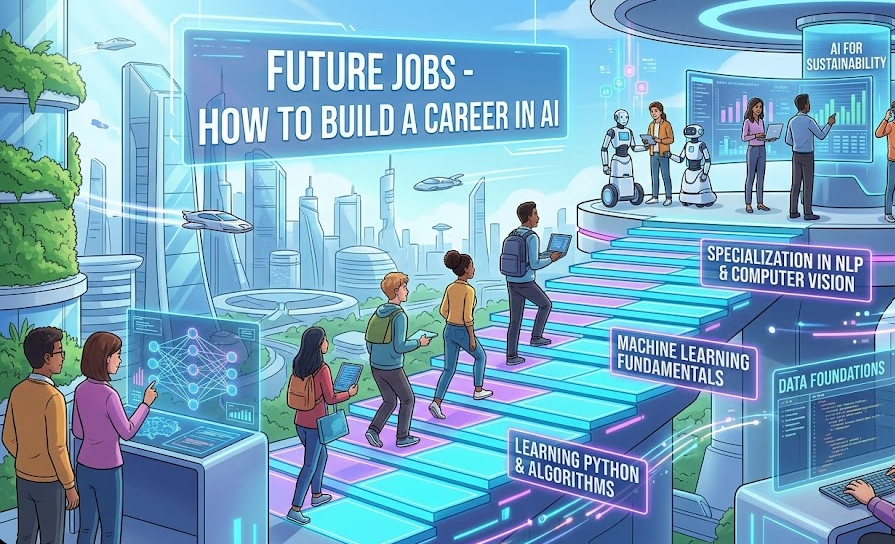
Understanding AI: The Foundations
Artificial Intelligence (AI) is a branch of computer science focused on creating systems capable of performing tasks that typically require human intelligence. These tasks include learning, reasoning, problem-solving, perception, understanding natural language, and even creativity. The significance of AI in our technology-driven world cannot be overstated, as it has permeated various sectors, resulting in transformative changes in how businesses operate and individuals interact with technology.
AI can be classified into different branches, each addressing specific aspects of the field. The primary categories include machine learning, where computers learn from data to improve their performance; natural language processing, which focuses on enabling machines to understand and respond to human language; computer vision, which allows computers to interpret and make decisions based on visual data; and robotics, integrating AI into machines that perform tasks in the real world. Understanding these branches provides a solid foundation for those interested in pursuing a career in AI.
Current trends in AI highlight its rapid evolution and underscore its importance in today’s economy. Companies are increasingly leveraging AI technologies to enhance productivity, automate routine tasks, and gain insights from large datasets. Furthermore, advancements in deep learning, a subset of machine learning that mimics the human brain’s neural networks, have led to impressive breakthroughs in various applications, such as image and voice recognition. As industries recognize the potential benefits of integrating AI, it has become a critical area of focus for research and development.
For anyone considering a career in artificial intelligence, understanding its foundations, branches, and trends is essential. This knowledge not only prepares individuals for potential challenges but also provides insight into the myriad opportunities available in the evolving landscape of AI.
Educational Pathways and Skill Development
As the field of artificial intelligence (AI) continues to grow and evolve, various educational pathways have emerged to prepare individuals for a career within this exciting domain. The most common route involves obtaining a degree in computer science, data science, or machine learning. These programs typically offer a foundational understanding of algorithms, data structures, and the essential principles that underpin AI technology.
In addition to traditional degrees, many institutions now offer specialized certifications in AI and machine learning that can enhance a candidate’s skill set. Such certifications provide focused training on specific tools, techniques, and methodologies widely used in the industry. Renowned platforms and universities frequently offer these programs, making them accessible to aspiring AI professionals.
Beyond formal education, practical experience is equally crucial. Internship opportunities during one’s studies provide invaluable exposure to real-world applications of AI, allowing individuals to work on live projects and understand industry challenges. Additionally, participating in AI-focused hackathons can sharpen problem-solving skills and foster creativity while providing a collaborative environment to learn from peers.
To thrive in the AI landscape, individuals should prioritize developing technical skills in programming languages such as Python and R, which are commonly used in AI development. Moreover, knowledge in statistical analysis is imperative for interpreting data and making informed decisions. Familiarity with machine learning frameworks like TensorFlow or PyTorch can greatly enhance a candidate’s capabilities, as these tools facilitate the building of AI models.
In conclusion, pursuing a career in AI requires a robust educational foundation combined with practical experience and specialized technical skills. By strategically navigating educational opportunities and actively seeking hands-on experience, individuals can position themselves for success in this dynamic field.
Building a Professional Network in the AI Community
Building a successful career in artificial intelligence (AI) demands more than just technical skills; it requires a robust professional network. Networking in the AI community can play a significant role in enhancing career opportunities and providing access to valuable resources and knowledge. Understanding the importance of connecting with other professionals and experts in the field should be the first step in this journey.
One effective strategy to establish a professional network in AI is to attend conferences and workshops dedicated to this emerging field. Events such as NeurIPS, CVPR, and AAAI attract top experts and innovators, creating a fertile ground for networking. These gatherings facilitate interactions with thought leaders and peers, enabling the exchange of ideas and insights. Additionally, taking workshops at these events can improve technical skills while expanding one’s network.
Joining online forums and platforms like LinkedIn can also be advantageous for building connections in the AI community. Engaging in discussions on platforms like GitHub and Kaggle projects can enhance visibility and recognition among fellow AI enthusiasts. Participating in specialized online courses can lead to networking opportunities with instructors and classmates who share similar interests.
Moreover, seeking mentorship from experienced professionals in AI can significantly elevate one’s career. A mentor can offer guidance and advice, share industry insights, and help navigate the ever-evolving landscape of artificial intelligence. This collaborative relationship can also lead to new opportunities for research and projects, facilitating career advancement.
In conclusion, robust networking strategies can play a transformative role in building a successful career in AI. By actively engaging in conferences, online platforms, and mentorship, individuals can strengthen their presence in the community, opening doors to future endeavors and professional growth.
Navigating Job Opportunities and Career Growth in AI
The job market for artificial intelligence (AI) professionals is rapidly expanding, reflecting the increasing demand for AI solutions across various industries. Job roles in this field can vary significantly but typically include positions such as machine learning engineer, data scientist, AI researcher, and AI product manager. These roles not only require technical proficiency but also a strong foundation in software development, statistical analysis, and a familiarity with AI frameworks.
Industries actively hiring AI talent range from technology and finance to healthcare and automotive. For instance, the tech sector seeks AI specialists for roles related to product development and innovation, while healthcare organizations look for data analysts to optimize patient care through predictive analytics. By staying updated on industry trends and emerging technologies, candidates can align their skill sets accordingly and enhance their employment prospects.
Employers in the AI arena seek professionals who possess a mix of technical skills and soft skills. Critical thinking, problem-solving abilities, and strong communication skills are essential in articulating complex AI concepts to non-technical stakeholders. Moreover, as AI technology evolves, continuous learning is crucial. Professionals are encouraged to engage in ongoing education, whether through formal degree programs, online courses, or certifications in specific tools and methodologies relevant to AI.
To progress in an AI career, setting clear short- and long-term goals is beneficial. Networking within the industry can also facilitate career advancement opportunities. Building a compelling resume highlighting relevant experience and projects can set candidates apart from others. Furthermore, preparing for interviews by articulating past experiences, demonstrating technical knowledge, and discussing AI trends can significantly increase one’s chances of landing a position in this competitive field. Staying adaptable and proactive will ensure continuous growth and success in the dynamic world of artificial intelligence.