Passive income refers to earnings generated with minimal effort or active involvement, allowing individuals to earn money while focusing on other pursuits. This financial strategy can often lead to achieving financial independence, as it creates a flow of income that does not require constant attention or labor. Traditional avenues for generating passive income include rental income from real estate, dividend stocks, peer-to-peer lending, and creating digital products. The allure of earning while you sleep is a compelling proposition, making passive income a desirable aspect of personal finance.
The advent of Artificial Intelligence (AI) technology is ushering in a new era for passive income opportunities. AI, in its various forms, has the potential to enhance and streamline existing passive income models, while also paving the way for new avenues to generate revenue. For instance, AI-driven algorithms can analyze large datasets to identify promising investment opportunities, optimize trading strategies, or even automate the management of rental properties. By implementing AI technology, investors can minimize their workload and maximize their returns, making passive income strategies more efficient and sustainable.
Diversification of income streams is critical in reducing financial risk and enhancing long-term wealth accumulation. AI can significantly aid in this regard by providing insights into various markets and sectors, suggesting new income-generating avenues, and optimizing existing investments. Furthermore, AI-powered platforms can manage multiple investments simultaneously, ensuring a more balanced portfolio. With these tools at their disposal, individuals can explore a myriad of passive income sources that were previously inaccessible or cumbersome to manage. As AI continues to evolve, its impact on passive income generation will likely expand, offering innovative solutions that adapt to the ever-changing economic landscape.
Top AI Tools for Generating Passive Income
In the contemporary digital landscape, the advent of artificial intelligence (AI) has paved the way for innovative solutions to generate passive income. Leveraging AI tools enables individuals to maximize their earnings with minimal hands-on involvement. Below are some leading AI-driven tools that can significantly contribute to your passive income streams.
One prominent example is automated trading bots designed for stock market investments. These bots utilize advanced algorithms to analyze market trends and execute trades on behalf of investors. They are particularly beneficial for those who may not have the time or expertise to actively manage their investments. By employing these AI-driven systems, users can potentially enjoy steady returns while mitigating risks associated with human error.
Additionally, AI content generation tools are revolutionizing the way bloggers and marketers create content. Platforms such as Jasper and Copy.ai allow users to generate high-quality written material quickly. This capability not only saves time but also enables content creators to engage in multiple projects simultaneously. By outsourcing the writing process to AI, individuals can focus on other revenue-generating activities, enhancing their overall financial prospects.
Moreover, AI-driven e-commerce platforms are transforming online retailing. Tools like Shopify’s AI functionality can effortlessly manage product listings, handle customer inquiries, and analyze consumer behavior. This reduces the operational workload for online store owners and enhances customer experience, leading to increased sales and repeat business. By automating these processes, e-commerce entrepreneurs can establish a sustainable income stream with less day-to-day management.
Evaluating these AI tools based on ease of use, potential returns, and associated risks is essential. With the right tool, individuals can successfully navigate the path to passive income while aligning with their financial goals and risk tolerance.
Innovative AI Passive Income Strategies
As technology continues to evolve, artificial intelligence (AI) is opening new avenues for generating passive income. By leveraging AI-driven tools and platforms, entrepreneurs can create sustainable revenue streams. One prominent example is the use of AI for content creation. Automated writing tools can generate articles, blog posts, and other forms of written content that can be monetized through ad revenue or affiliate marketing. This approach not only saves time but also enables content creators to focus on optimizing their platforms for maximum engagement and monetization.
In addition, the emergence of AI video editors offers another innovative solution for passive income generation. Aspiring content creators can start a YouTube channel by utilizing AI-based software to streamline the video production process. These tools can assist in editing, enhancing graphics, and even optimizing video titles and descriptions for SEO. With a consistent upload schedule and quality content, creators can build a substantial audience size, further leading to ad revenue and sponsorship opportunities.
Another area where AI can facilitate passive income is through dropshipping businesses. Using AI algorithms, entrepreneurs can analyze market trends, manage inventory, and optimize their pricing strategies effectively. AI can forecast customer demand, allowing owners to identify the best-selling products and focus their marketing efforts accordingly. Through case studies of successful entrepreneurs who have implemented these strategies, we can discern patterns leading to their remarkable success. For instance, one dropshipping entrepreneur reported a 300% increase in sales within six months by employing AI-driven market analysis tools.
As these examples illustrate, the integration of AI into passive income strategies not only simplifies processes but also enables individuals to achieve remarkable results. By embracing these innovative methods, aspiring entrepreneurs can unlock new revenue streams and enhance their financial independence.
Getting Started: Practical Steps and Tips
Embarking on the journey towards generating passive income through AI begins with understanding the various tools available at your disposal. First and foremost, identify which AI-driven platforms resonate with your skills and interests, be it content creation, trading, or product sales. Once you’ve chosen an area, familiarize yourself with the functionality of your selected AI tool by exploring tutorials and leveraging community forums.
After gaining a solid understanding, proceed to set up your accounts on the respective platforms. Ensure that you follow the required verification processes and integrate any payment methods necessary for transactions. An organized structure for your finances will serve you well as you implement your passive income strategies.
Time management is paramount in the initial stages. Create a realistic timeline to generate income, recognizing that passive income does not occur overnight. It is essential to set specific short-term and long-term goals. In the short term, you might aim to generate a modest amount, while long-term targets may involve scaling up your income significantly through reinvestment and diversification.
Furthermore, as you grow your income streams, prioritize ongoing education. The AI landscape is continuously evolving, and staying informed about the latest advancements will equip you with the knowledge to adapt your strategies accordingly. Regularly monitor your investments, noting what strategies yield the best results. This data-driven approach allows for an iterative process, enabling you to refine your methods over time.
To effectively scale your AI-driven passive income, consider automation tools that can streamline your processes. This not only saves time but can significantly enhance your productivity and income potential. Engaging with online communities or networking with fellow entrepreneurs can also provide valuable insights and support as you navigate this path.
Quantum computing represents a revolutionary approach to processing information, diverging fundamentally from classical computing. Classical computers utilize bits as the smallest unit of data, where each bit can exist in one of two states, either 0 or 1. In contrast, quantum computing employs quantum bits, or qubits, which are capable of existing in multiple states simultaneously due to the principles of superposition. This unique characteristic allows quantum computers to perform complex calculations more efficiently than their classical counterparts.
Superposition is a pivotal concept in quantum mechanics, whereby a qubit can be in a state of 0, 1, or both at the same time. This property exponentially increases the computational power of quantum systems, enabling them to process vast amounts of data concurrently. For instance, while a classical computer must operate sequentially through each state, a quantum computer can evaluate multiple possibilities at once, significantly speeding up certain computations.
Another crucial principle of quantum computing is entanglement, which involves a phenomenon where qubits become interconnected, such that the state of one qubit can instantaneously influence the state of another, regardless of the distance between them. This trait paves the way for more sophisticated processing techniques and enhanced data security, promising a new frontier in computational capabilities.Overall, quantum computing holds immense potential to revolutionize a variety of fields, from cryptography and material science to artificial intelligence, making it a significant leap beyond classical computing. As researchers continue to unravel the complexities of quantum mechanics and improve qubit stability, the role of quantum computing in our technological landscape is set to expand dramatically.
How Quantum Computers Work
Quantum computers represent a revolutionary approach to computation, utilizing the principles of quantum mechanics to perform calculations in ways that classical computers cannot. At the heart of quantum computing are qubits, which serve as the fundamental units of information. Unlike classical bits that can be either 0 or 1, qubits can exist in multiple states simultaneously due to their unique property known as superposition. This ability allows quantum computers to process vast amounts of data concurrently, vastly enhancing computational efficiency.
In addition to superposition, qubits exhibit another vital property termed entanglement. When qubits become entangled, the state of one qubit becomes directly related to the state of another, regardless of the physical distance separating them. This relationship allows for intricate operations that classical computers struggle to replicate. Quantum gates, similar to logic gates in classical computing, manipulate the states of qubits through various operations, enabling complex calculations and algorithm executions that exploit both superposition and entanglement.
There are several specific algorithms designed for quantum computing, such as Shor’s algorithm for factoring large numbers and Grover’s algorithm for searching unsorted databases. These algorithms apply the distinct properties of qubits to solve problems that would typically require extensive time on classical computers. As quantum computers progress, the implications for fields such as cryptography, optimization, and artificial intelligence become increasingly profound. Understanding how quantum computers operate provides a glimpse into a computational future that diverges sharply from traditional methods, with the potential to revolutionize numerous industries and research domains.
Applications of Quantum Computing
Quantum computing holds immense potential across various industries, with the capability to solve problems currently deemed impractical or impossible for classical computers. One of the most compelling applications lies in cryptography. Traditional encryption methods rely on the computational difficulty of certain mathematical problems, such as factoring large numbers. However, quantum computers can perform these calculations exponentially faster using algorithms like Shor’s algorithm, which could potentially break widely used encryption protocols such as RSA. This prospect raises significant concerns about data security and has prompted researchers to develop quantum-resistant encryption techniques.
Another promising area is drug discovery, where quantum computing can significantly accelerate the simulation of molecular interactions. By leveraging quantum superposition and entanglement, researchers can model complex molecular structures and processes that are crucial for understanding diseases and developing new drugs. A real-world example includes efforts by pharmaceutical companies collaborating with quantum computing firms to identify new compounds that target specific biological pathways, resulting in faster and more cost-effective drug development.
Optimization problems, such as those found in logistics and supply chain management, also stand to benefit from quantum computing. Businesses often face challenges in optimizing routes, inventory, and resource allocation. Utilizing quantum algorithms can help find the most efficient solutions much quicker than classical methods. For instance, companies like D-Wave Systems are already working with clients to address real-world optimization problems, showcasing the potential impact of quantum technology in improving operational efficiency.
As advancements in quantum computing continue, the excitement grows among scientists and industry professionals alike. These applications represent just a fraction of the vast opportunities that quantum computing can bring, making it crucial for beginners to keep abreast of developments in this fast-evolving field.
Challenges and Future of Quantum Computing
Quantum computing, while offering unprecedented capabilities, presents a multitude of challenges that are critical for the technology’s advancement. One of the most significant obstacles is technical limitations, particularly related to qubit stability and coherence time. Qubits, the fundamental units of quantum information, are susceptible to environmental noise and thermal fluctuations, leading to errors that can compromise computation. As a result, developing stable qubits that can maintain their states long enough to execute complex operations remains a key focus for researchers.
Scalability is another issue that the quantum computing industry faces. Current quantum processors typically operate with a limited number of qubits, and scaling these systems while maintaining qubit integrity and interaction fidelity is a formidable task. Researchers are exploring various architectures, including superconducting qubits, trapped ions, and topological qubits, to uncover the most viable path to achieving a practical, large-scale quantum computer.
Error correction is vital for the reliability of quantum computations. Unlike classical error correction, which can often be straightforward, quantum error correction presents unique difficulties due to the no-cloning theorem and the delicate nature of quantum states. Ongoing research is focused on developing efficient quantum error correction codes that can help mitigate the errors stemming from qubit instability and environmental disturbances.
Looking to the future, the evolution of quantum computing could potentially revolutionize various sectors, including cryptography, drug discovery, materials science, and complex system simulations. As multiple companies and research institutions continue to invest in quantum technology, advancements in quantum algorithms, hardware improvements, and the integration of quantum computing with classical systems will likely pave the way for practical applications. The implications for society are profound, ushering in an era of problem-solving capabilities that were previously thought unattainable.
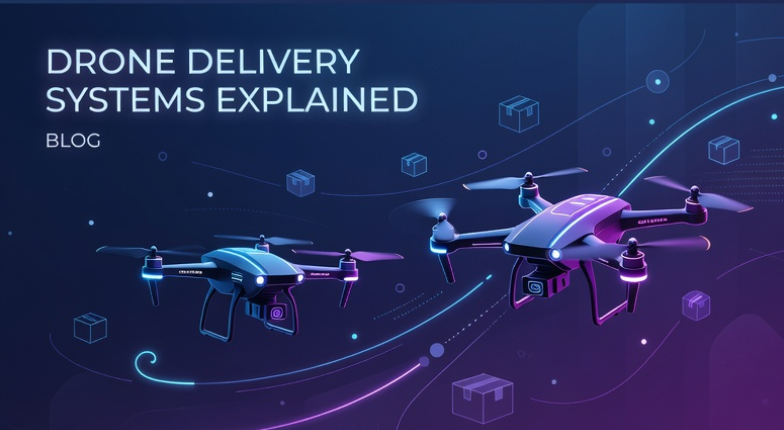
Drone delivery systems represent an innovative evolution in the logistics and transportation industry. These systems leverage unmanned aerial vehicles (UAVs), commonly known as drones, to transport goods and packages from a provider directly to a customer. The technology behind drone delivery has developed rapidly over recent years, primarily driven by advancements in navigation systems, battery life, and aerodynamics. By integrating sophisticated software and hardware, drone delivery has begun challenging traditional delivery methods.
The operation of drone delivery systems is relatively straightforward. First, a package is loaded onto a drone, which then navigates to the specified delivery location using pre-programmed GPS coordinates. The drones are equipped with advanced sensors and cameras that help them avoid obstacles, ensuring safe and efficient transport. In many cases, the delivery process can be completed within minutes, vastly improving delivery speeds compared to conventional systems that often take hours or days. This leap in efficiency is particularly beneficial for time-sensitive deliveries.
Moreover, the significance of drone delivery systems extends beyond mere convenience; it encompasses a range of societal and environmental benefits. For instance, drones are capable of reducing traffic congestion typically associated with conventional delivery trucks. Additionally, as they are powered primarily by electricity, drone delivery systems contribute to a lower carbon footprint, aligning with global efforts to combat environmental degradation. Through their ability to streamline logistics, minimize operational costs, and enhance customer satisfaction, drones are poised to redefine the future of delivery services, heralding a new era in transportation.
Current Innovations and Technological Advancements
The domain of drone delivery systems has witnessed remarkable innovations and technological advancements over the recent years, significantly enhancing their operational efficiency. Key developments in drone navigation technology, such as the utilization of advanced sensors and machine learning algorithms, have contributed to more precise and reliable routing. This is essential in optimizing delivery paths, reducing transit times, and ultimately improving user satisfaction.
Another area of significant improvement is the payload capacity of drones. Developers are engineering drones that can handle heavier loads, enabling the delivery of larger packages, including medical supplies and retail products. This increased capacity opens new avenues for businesses looking to leverage drone technology as a means of distribution, particularly in areas where ground transport may be impractical.
Battery life has also seen substantial enhancements, allowing drones to operate for extended periods without requiring frequent recharges. The introduction of more efficient energy sources, alongside innovations like solar-powered drones, is pivotal in increasing delivery scope and frequency. Furthermore, advancements in autonomous flight capabilities are crucial, as they enable drones to navigate complex environments without human intervention. This involves sophisticated software development and adherence to safety regulations, ensuring that drones can operate efficiently in urban settings.
Several key players in the industry, such as Amazon Prime Air, Google’s Wing, and UPS Flight Forward, are pioneering the integration of these technologies into their operations. Each company is investing heavily in research and development to refine their systems further, striving to create a seamless drone delivery experience. As these companies continue to innovate, the potential for widespread implementation of drone delivery systems appears increasingly viable.
Challenges and Considerations in Implementing Drone Delivery
As companies explore the potential of drone delivery systems, they encounter a variety of challenges and considerations that must be addressed for successful implementation. One of the primary hurdles is the regulatory framework surrounding drone operations. Many countries have strict aviation regulations that govern airspace usage, requiring companies to navigate a complex landscape of rules and permissions. The development of a streamlined regulatory process that balances innovation with safety is essential for the broader adoption of drone technologies.
Airspace management represents another significant concern. Drones operate in a shared airspace, raising issues regarding how to integrate them safely with manned aircraft without causing safety hazards. This integration requires advanced air traffic control systems specifically designed to monitor and manage drone flight paths, ensuring that they do not interfere with existing flight operations.
Safety is an overarching issue that permeates discussions about drone delivery. The concern for public safety includes the risk of drones malfunctioning and potentially causing accidents, injuries, or property damage. Companies developing these systems have a responsibility to implement rigorous safety protocols, conduct thorough testing, and create fail-safe mechanisms to mitigate these risks.
Public acceptance of drone delivery is another critical factor; community perception can significantly affect the implementation process. Concerns about noise pollution, privacy invasion, and the general aesthetics of having drones in urban skies can lead to resistance from residents. For successful deployment, companies must engage with communities transparently, addressing fears and highlighting the benefits of this technology.
Lastly, the introduction of drone delivery systems could disrupt existing delivery services. Companies are actively working to identify potential conflicts with traditional logistics frameworks, aiming to establish cooperative solutions that allow both systems to coexist and thrive.
The Future of Drone Delivery: Trends and Predictions
As we examine the future of drone delivery systems, several trends and predictions emerge from current industry data and expert analyses. One of the most significant trends is the anticipated growth of the drone delivery market. According to various market research reports, the drone logistics industry is expected to grow substantially over the next few years, driven by advancements in drone technology, regulatory support, and increasing consumer demand for faster delivery options.
Additionally, the expansion of service areas plays a crucial role in the evolution of drone delivery systems. Initially concentrated in urban environments, drone delivery services are gradually reaching rural and remote locations. This shift is facilitated by improved battery life, more efficient flight paths, and enhanced landing mechanisms, making it feasible to deliver goods over longer distances. Such expansion not only increases market reach for businesses but also provides essential services to underserved communities.
The integration of drone delivery with e-commerce platforms represents another key trend. Major retailers and logistics companies are experimenting with drone delivery services to enhance their supply chains and meet consumer expectations for speed and efficiency. This trend is likely to continue as partnerships between technology firms and retail giants create robust ecosystems capable of supporting rapid deliveries.
Moreover, the impact of drone delivery on global logistics and consumer behavior cannot be overstated. As drones become a standard method for last-mile delivery, consumers will likely adjust their expectations regarding shipment speed and flexibility. Companies that adopt these systems early will position themselves advantageously in a competitive market, potentially altering consumer purchasing habits significantly.
In conclusion, the future of drone delivery systems appears promising, driven by market growth, service area expansion, and technological integration with e-commerce. As these trends develop, their implications for logistics and consumer behavior will be profound, shaping the overall landscape of delivery services in ways we are just beginning to understand.
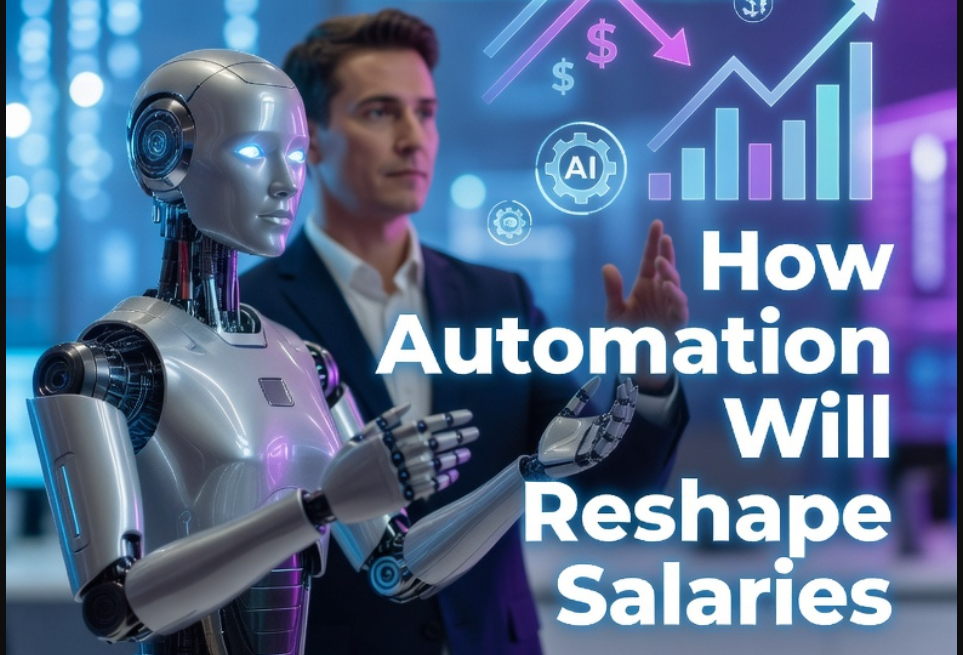
As automation continues to evolve, the landscape of the job market is changing dramatically. Automation, through technologies such as artificial intelligence and robotics, is transforming how companies operate, which in turn affects job roles and responsibilities. With machines taking over repetitive tasks, workers are likely to see a shift in the nature of their jobs. This evolution raises important questions about the future of salaries.
Salary Disparities in Automated Industries
With the integration of automation, we may witness widening salary disparities among various sectors. Higher-skilled positions, especially in technology and management, may see salary increases due to the demand for workers who can oversee and maintain these automated systems. Conversely, lower-skilled jobs could become threatened, leading to stagnant or declining salaries as automation replaces human effort.
Upskilling for Future Opportunities
In the face of these changes, it is crucial for workers to adapt by acquiring new skills. Upskilling and reskilling will become essential for those seeking to maintain or enhance their salary levels amidst automation. Employers and educational institutions must collaborate to provide necessary training programs, enabling the workforce to transition into new roles that automation creates.
Ultimately, the conversation about automation and salaries is evolving. By embracing change and focusing on skill development, workers can better navigate the uncertain job market of the future.
In the rapidly evolving landscape of the digital age, online business has emerged as a cornerstone of economic growth and innovation. The transition from traditional brick-and-mortar establishments to online ventures has been propelled by advancements in technology, shifts in consumer behavior, and the increasing accessibility of the internet worldwide. As we look towards the upcoming decade of 2025 to 2035, understanding the current trends in online business is crucial for aspiring entrepreneurs.
The importance of staying abreast of emerging trends cannot be understated. These trends often dictate market demands, customer preferences, and competitive dynamics. Entrepreneurs who adapt to the evolving digital landscape can identify unique opportunities for growth and innovation. For instance, the rise of e-commerce has transformed how consumers make purchases, leading to an increase in demand for online services and goods.
Moreover, the integration of artificial intelligence, social media marketing, and data analytics within online business models presents a unique set of prospects that savvy entrepreneurs can leverage. Tools and platforms that facilitate direct engagement with customers have changed the way businesses relate to their audiences. Those who harness these technologies will likely enjoy a significant edge over competitors unwilling to adapt.
As we navigate this new digital terrain, it becomes evident that the next decade will be marked by unprecedented challenges and unique entrepreneurial opportunities. From the growth of remote work to the expansion of digital marketing strategies, the potential for online businesses to flourish is immense. By understanding and responding to these trends, businesses can position themselves favorably for success in a competitive market.
The Rise of E-commerce: Trends and Opportunities
The e-commerce landscape has experienced remarkable growth over the past decade, and this upward trajectory is expected to continue well into the 2025-2035 period. As consumers increasingly turn to online shopping for convenience and accessibility, it has prompted a significant transformation in their purchasing behaviors. The impact of technological advancements cannot be understated; innovations in mobile commerce, artificial intelligence, and augmented reality are streamlining the shopping experience, making it more personalized and engaging.
One of the notable shifts in consumer behavior is the preference for seamless and intuitive online shopping experiences. Consumers are not only looking for a wide array of products, but they also seek convenience in transactions. This demand has driven many businesses to adopt advanced inventory management systems, reliable payment gateways, and efficient delivery mechanisms. As a result, e-commerce entrepreneurs have a unique opportunity to carve out niches within this expansive market.
Potential niches within e-commerce, such as subscription-based services, eco-friendly products, and personalized merchandising, are gaining traction. Entrepreneurs who can identify and cater to specific audience demands in these areas may find substantial success. Additionally, the rise of social commerce, where social media platforms facilitate direct shopping experiences, presents an exciting avenue for online business. By integrating traditional retail concepts with digital innovation, e-commerce businesses can engage users more closely and drive sales directly through social channels.
To effectively leverage the trends and opportunities in e-commerce, entrepreneurs will need to stay attuned to these major shifts. Understanding consumer preferences, nurturing customer relationships, and employing technology strategically are key elements for carving out a successful online business in this vibrant sector. As the e-commerce landscape evolves, those who adapt swiftly and decisively will be well-positioned to thrive in the new digital marketplace.
Subscription-Based Business Models
The rise of subscription-based business models has become increasingly evident across various industries. With the advent of digital transformation, consumers are gravitating towards services that offer convenience and cost-effectiveness. Subscription services range from video and music streaming platforms to meal kit deliveries and curated products, providing businesses with a recurring revenue stream and enhancing customer loyalty.
One of the primary advantages of subscription-based models is the reliable cash flow they generate. This financial predictability allows businesses to plan effectively, allocating resources toward marketing, customer service, and product development. Additionally, subscription models facilitate stronger customer relationships. By keeping customers engaged over time, businesses can gather valuable data regarding preferences and purchasing habits, which can be utilized to enhance their offerings further.
For consumers, subscription services often present significant benefits. Customers can access a wider variety of products or services while paying a lower upfront cost. Subscription services also offer the flexibility of canceling or modifying subscriptions, allowing users to tailor their experience according to their changing needs. This model has democratized access to goods and services that were previously considered premium, such as specialty foods, wellness products, and exclusive online courses, making them more accessible to the general public.
For those interested in starting a subscription business, there are numerous ideas to explore. Examples include subscription boxes for niche hobbies, personalized health and wellness products, or educational services that provide resources and support for ongoing learning. Furthermore, businesses can focus on eco-friendly or sustainable products, appealing to environmentally-conscious consumers. In the evolving marketplace of 2025-2035, pursuing a subscription-based business could offer lucrative opportunities, catering to the increasingly subscription-centric economy.
Embracing Sustainability in Online Business
As the global consciousness concerning environmental issues continues to grow, sustainable practices have increasingly become a central theme for modern enterprises. In the context of online businesses, this trend necessitates the adoption of eco-friendly strategies that resonate with an ever-expanding eco-conscious consumer base. Sustainability does not merely serve as a marketing gimmick; rather, it represents a fundamental shift in consumer preferences, prompting businesses to reconsider their operational frameworks.
To embrace sustainability effectively, online businesses can start by evaluating their product offerings. Integrating sustainable products and services into their catalog, such as those manufactured using ethically sourced materials or produced through environmentally friendly processes, is an essential first step. This not only enhances brand credibility but also aligns with the values of consumers who prioritize responsible consumption.
Additionally, online businesses should aim to minimize their carbon footprints. This can be achieved by optimizing supply chains to reduce waste, implementing energy-efficient technologies, and choosing sustainable packaging options. These practices resonate particularly well in the online retail space, where shipping and packaging play a significant role in environmental impact. Moreover, businesses can leverage technology to track their sustainability initiatives and demonstrate transparency to customers, fostering a sense of trust and loyalty.
Furthermore, educating the target audience about the importance of sustainability can create a more engaged community and stimulate demand for eco-friendly products. Utilizing digital platforms to share insights, blogs, and social media campaigns on environmental issues can position businesses as thought leaders in the sustainability arena.
In essence, by prioritizing sustainability, online businesses can not only enhance their market appeal but also contribute to the larger goal of environmental conservation. This alignment with sustainability principles ensures long-term relevancy and success in the competitive landscape of the decade spanning 2025 to 2035.
Leveraging Remote Work and Freelancing Opportunities
The advent of technology and the accelerated shift towards digital solutions have paved the way for a dramatic rise in remote work and freelancing opportunities. With more companies adopting flexible working arrangements, professionals from diverse fields are now exploring new avenues to earn a living outside traditional employment. This shift has given rise to various platforms that facilitate remote work, allowing individuals to connect with clients globally while maintaining the freedom of working from anywhere.
Freelancing platforms such as Upwork, Freelancer, and Fiverr have become popular among those looking to offer their skills and expertise without the constraints of an office environment. These platforms allow freelancers to create profiles showcasing their skill sets, receive client feedback, and bid for projects that align with their capabilities. Additionally, these services cover a vast range of industries, from graphic design and programming to writing and digital marketing. Such diversity provides multiple avenues for income generation, catering to a wide array of interests and talents.
On the business side, organizations are increasingly turning to remote talent to reduce overhead costs and access a larger talent pool. By leveraging freelancers, companies can hire specialized skills as needed, which can enhance project efficiency without the commitment of long-term employment. Further, remote work fosters an inclusive work environment, allowing businesses to tap into expertise from different geographic locations. This approach not only enhances innovation but also bolsters diversity within teams, which is a growing focus in the modern workforce.
As we move towards 2035, the trend of remote work will likely continue to grow, presenting exciting opportunities for both freelancers and businesses. Those interested in freelance work should keep abreast of emerging platforms and industries, while businesses should prioritize strategies to integrate remote talent effectively into their workflows.
The Impact of AI and Automation on Business Models
Artificial intelligence (AI) and automation are driving significant changes in business models across various sectors. As technology advances, entrepreneurs are increasingly seeking ways to incorporate AI tools into their strategies to enhance operational efficiency. These tools facilitate tasks that require data analysis, customer interaction, and decision-making, enabling businesses to streamline processes and reduce human error.
One prominent application of AI in business environments is in customer service. AI-powered chatbots and virtual assistants are capable of responding to customer inquiries 24/7, providing instant support and freeing up human employees to focus on more complex issues. This integration not only improves customer satisfaction but also reduces operational costs, allowing businesses to allocate resources to other critical areas.
Moreover, AI can assist in data analysis, helping entrepreneurs gain insights into customer behavior and market trends. Predictive analytics, powered by machine learning algorithms, enables businesses to forecast future demands and tailor their offerings accordingly. By understanding consumer preferences, business owners can develop targeted marketing strategies that enhance engagement and drive sales.
Automation also plays a crucial role in optimizing supply chain management. Automated inventory systems can track stock levels in real-time, alerting companies when replenishment is necessary. This capability reduces the risk of overstocking or stockouts, enabling businesses to maintain a lean inventory and improve turnover rates.
Furthermore, integrating AI and automation into internal operations leads to greater productivity. Businesses can automate repetitive tasks such as data entry, payroll processing, and reporting, allowing employees to focus on creative and strategic initiatives. This shift not only streamlines workflows but also fosters an innovative work environment.
The Growing Influence of Social Media Marketing
In the contemporary digital landscape, social media marketing has emerged as a crucial strategy for businesses aiming to enhance their online presence. With billions of users engaged on platforms such as Facebook, Instagram, Twitter, and LinkedIn, social media offers unparalleled opportunities for brands to connect with potential customers. This medium is not only instrumental in promoting products and services but also plays a pivotal role in shaping consumer perceptions and building brand loyalty.
Effective social media marketing requires a comprehensive understanding of the target audience. Businesses must analyze demographic data and trends to tailor their content, ensuring relevance and resonance with potential consumers. Visual content, videos, and interactive posts often generate higher engagement levels, making them essential components of a successful strategy. Additionally, establishing a consistent brand voice and visual identity across platforms fosters recognition and trust among followers.
Engagement is a key aspect of social media marketing. Companies need to actively participate in conversations with their audience, responding to comments and messages promptly. Hosting live sessions or Q&As can further stimulate interaction, allowing businesses to understand customer needs and preferences better. Furthermore, user-generated content is a powerful driver of authenticity, encouraging customers to share their experiences and recommendations, thereby enhancing brand visibility.
Additionally, leveraging social media analytics tools can provide insights into campaign performance and audience behavior, enabling businesses to refine their strategies continuously. As algorithms evolve, adapting to new trends and features, such as short-form videos or ephemeral content, will also be critical in maintaining relevance in the market.
In conclusion, the growing influence of social media marketing is evident as it continues to redefine how businesses interact with their customers. By employing targeted strategies that promote engagement and brand visibility, companies can harness the full potential of social media to drive growth and success in the coming decade.
The Future of Education and Online Learning Platforms
As we progress towards the decade between 2025 and 2035, the relevance and demand for online education platforms continue to grow exponentially. The shift from traditional classroom settings to digital learning environments has been accelerated by advances in technology and changing societal expectations. Online learning offers a flexible, accessible, and personalized approach to education, catering to diverse learning styles and schedules.
In this digital age, e-learning platforms are becoming essential tools for both educators and learners. These platforms facilitate a variety of educational offerings, from formal courses to informal workshops and webinars. This growing trend presents significant business opportunities for entrepreneurs to create specialized online educational services. Starting a platform that focuses on specific niche subjects, such as coding, photography, or foreign languages can yield considerable interest and engagement.
Coaching and tutoring services are also evolving with the rise of online education. With a focus on personalized learning, entrepreneurs can leverage one-on-one or group coaching sessions through video conferencing tools. This model allows educators to connect with students worldwide, breaking geographical barriers and expanding their reach. Additionally, creating educational content such as video tutorials, interactive quizzes, or comprehensive e-books can provide value to learners while generating income for content creators.
The incorporation of emerging technologies such as artificial intelligence and virtual reality can further enhance the online education experience. Businesses that invest in developing advanced learning management systems that integrate these technologies will likely see a competitive advantage. Overall, the future of education and online learning platforms will be characterized by innovation, accessibility, and customization, making it a lucrative sector for entrepreneurs and educators alike.
Conclusion: Preparing for the Future of Online Business
As we look ahead to the decade spanning 2025 to 2035, the landscape of online business is set to undergo significant transformations. Throughout this blog post, we have explored various innovative online business ideas that highlight the necessity to leverage technology, understand consumer behavior, and anticipate market trends. Key areas such as e-commerce, digital marketing, and remote services present ample opportunities for businesses willing to adapt to emerging trends.
One crucial takeaway is the importance of adaptability in navigating the evolving online business environment. The rapid pace of technological advancement and shifts in consumer preferences necessitate that online entrepreneurs continually refine their strategies. Whether it involves embracing new digital tools or pivoting to meet the latest consumer demands, the need for flexibility remains paramount.
Additionally, innovation serves as a cornerstone for long-term success in online business ventures. Developing unique offerings and incorporating creative solutions can differentiate a business from its competitors. This not only attracts customers but also builds brand loyalty in a crowded marketplace. Entrepreneurs must foster an innovation-driven culture that encourages experimentation and risk-taking.
Lastly, continuous learning is essential for anyone participating in the online business arena. The nature of digital markets means that what works today may not work tomorrow. Engaging in ongoing education—whether through formal training, online courses, or industry webinars—will equip entrepreneurs with the necessary insights and skills to thrive.
In conclusion, the future of online business will undoubtedly present challenges, but by embracing adaptability, fostering innovation, and committing to continuous learning, aspiring entrepreneurs can position themselves for success in the decades ahead.
As we transition into the AI era, it’s crucial to adapt and equip ourselves with the skills necessary to thrive in an increasingly digital landscape. The integration of artificial intelligence in various sectors is transforming how we work, communicate, and solve problems. To stay relevant and competitive, certain skills are becoming indispensable.
Technical Proficiency
One of the primary skills to cultivate is technical proficiency. Understanding the basics of AI and machine learning can significantly enhance your capabilities in any field. Familiarizing yourself with programming languages like Python, which is widely used in AI development, can provide a solid foundation. Additionally, learning about data analytics will not only boost your resume but also enable you to make data-driven decisions.
Critical Thinking and Adaptability
As automation takes over repetitive tasks, the need for critical thinking and creativity becomes ever more essential. You’ll want to develop the ability to analyze complex problems and devise innovative solutions using AI tools. Furthermore, adaptability is key. The AI landscape is constantly evolving, and being open to learning new technologies and methodologies will help you stay ahead of the curve.
Effective Communication
Lastly, enhancing your communication skills can significantly impact your success in the AI era. Being able to convey complex ideas simply and persuasively is invaluable, especially when working alongside AI systems and teams. Clear communication fosters collaboration and ensures that everyone is aligned towards common goals.
In summary, mastering technical skills, cultivating critical thinking, and polishing communication abilities are essential steps to ensure you not only keep pace with the AI era but thrive within it!
Artificial Intelligence (AI) is a branch of computer science focused on creating systems capable of performing tasks that typically require human intelligence. These tasks include learning, reasoning, problem-solving, perception, understanding natural language, and even creativity. The significance of AI in our technology-driven world cannot be overstated, as it has permeated various sectors, resulting in transformative changes in how businesses operate and individuals interact with technology.
AI can be classified into different branches, each addressing specific aspects of the field. The primary categories include machine learning, where computers learn from data to improve their performance; natural language processing, which focuses on enabling machines to understand and respond to human language; computer vision, which allows computers to interpret and make decisions based on visual data; and robotics, integrating AI into machines that perform tasks in the real world. Understanding these branches provides a solid foundation for those interested in pursuing a career in AI.
Current trends in AI highlight its rapid evolution and underscore its importance in today’s economy. Companies are increasingly leveraging AI technologies to enhance productivity, automate routine tasks, and gain insights from large datasets. Furthermore, advancements in deep learning, a subset of machine learning that mimics the human brain’s neural networks, have led to impressive breakthroughs in various applications, such as image and voice recognition. As industries recognize the potential benefits of integrating AI, it has become a critical area of focus for research and development.
For anyone considering a career in artificial intelligence, understanding its foundations, branches, and trends is essential. This knowledge not only prepares individuals for potential challenges but also provides insight into the myriad opportunities available in the evolving landscape of AI.
Educational Pathways and Skill Development
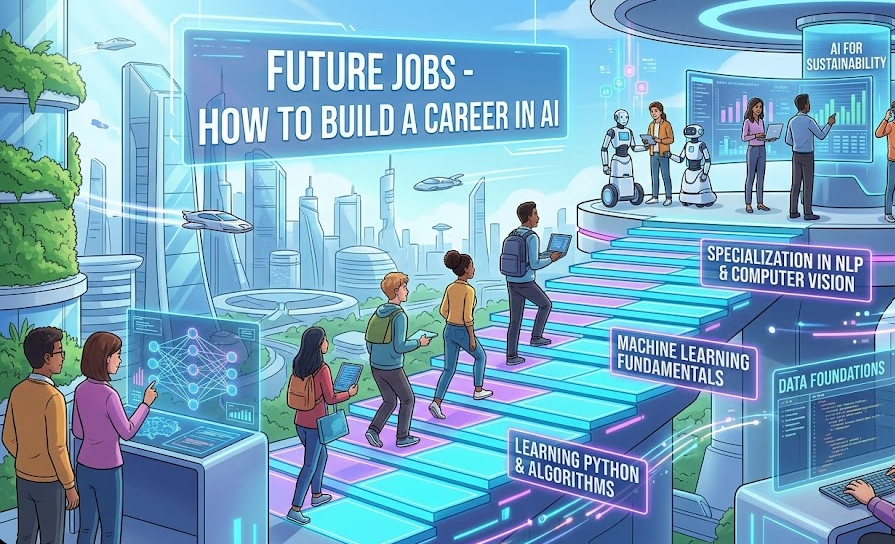
As the field of artificial intelligence (AI) continues to grow and evolve, various educational pathways have emerged to prepare individuals for a career within this exciting domain. The most common route involves obtaining a degree in computer science, data science, or machine learning. These programs typically offer a foundational understanding of algorithms, data structures, and the essential principles that underpin AI technology.
In addition to traditional degrees, many institutions now offer specialized certifications in AI and machine learning that can enhance a candidate’s skill set. Such certifications provide focused training on specific tools, techniques, and methodologies widely used in the industry. Renowned platforms and universities frequently offer these programs, making them accessible to aspiring AI professionals.
Beyond formal education, practical experience is equally crucial. Internship opportunities during one’s studies provide invaluable exposure to real-world applications of AI, allowing individuals to work on live projects and understand industry challenges. Additionally, participating in AI-focused hackathons can sharpen problem-solving skills and foster creativity while providing a collaborative environment to learn from peers.
To thrive in the AI landscape, individuals should prioritize developing technical skills in programming languages such as Python and R, which are commonly used in AI development. Moreover, knowledge in statistical analysis is imperative for interpreting data and making informed decisions. Familiarity with machine learning frameworks like TensorFlow or PyTorch can greatly enhance a candidate’s capabilities, as these tools facilitate the building of AI models.
In conclusion, pursuing a career in AI requires a robust educational foundation combined with practical experience and specialized technical skills. By strategically navigating educational opportunities and actively seeking hands-on experience, individuals can position themselves for success in this dynamic field.
Building a Professional Network in the AI Community
Building a successful career in artificial intelligence (AI) demands more than just technical skills; it requires a robust professional network. Networking in the AI community can play a significant role in enhancing career opportunities and providing access to valuable resources and knowledge. Understanding the importance of connecting with other professionals and experts in the field should be the first step in this journey.
One effective strategy to establish a professional network in AI is to attend conferences and workshops dedicated to this emerging field. Events such as NeurIPS, CVPR, and AAAI attract top experts and innovators, creating a fertile ground for networking. These gatherings facilitate interactions with thought leaders and peers, enabling the exchange of ideas and insights. Additionally, taking workshops at these events can improve technical skills while expanding one’s network.
Joining online forums and platforms like LinkedIn can also be advantageous for building connections in the AI community. Engaging in discussions on platforms like GitHub and Kaggle projects can enhance visibility and recognition among fellow AI enthusiasts. Participating in specialized online courses can lead to networking opportunities with instructors and classmates who share similar interests.
Moreover, seeking mentorship from experienced professionals in AI can significantly elevate one’s career. A mentor can offer guidance and advice, share industry insights, and help navigate the ever-evolving landscape of artificial intelligence. This collaborative relationship can also lead to new opportunities for research and projects, facilitating career advancement.
In conclusion, robust networking strategies can play a transformative role in building a successful career in AI. By actively engaging in conferences, online platforms, and mentorship, individuals can strengthen their presence in the community, opening doors to future endeavors and professional growth.
Navigating Job Opportunities and Career Growth in AI
The job market for artificial intelligence (AI) professionals is rapidly expanding, reflecting the increasing demand for AI solutions across various industries. Job roles in this field can vary significantly but typically include positions such as machine learning engineer, data scientist, AI researcher, and AI product manager. These roles not only require technical proficiency but also a strong foundation in software development, statistical analysis, and a familiarity with AI frameworks.
Industries actively hiring AI talent range from technology and finance to healthcare and automotive. For instance, the tech sector seeks AI specialists for roles related to product development and innovation, while healthcare organizations look for data analysts to optimize patient care through predictive analytics. By staying updated on industry trends and emerging technologies, candidates can align their skill sets accordingly and enhance their employment prospects.
Employers in the AI arena seek professionals who possess a mix of technical skills and soft skills. Critical thinking, problem-solving abilities, and strong communication skills are essential in articulating complex AI concepts to non-technical stakeholders. Moreover, as AI technology evolves, continuous learning is crucial. Professionals are encouraged to engage in ongoing education, whether through formal degree programs, online courses, or certifications in specific tools and methodologies relevant to AI.
To progress in an AI career, setting clear short- and long-term goals is beneficial. Networking within the industry can also facilitate career advancement opportunities. Building a compelling resume highlighting relevant experience and projects can set candidates apart from others. Furthermore, preparing for interviews by articulating past experiences, demonstrating technical knowledge, and discussing AI trends can significantly increase one’s chances of landing a position in this competitive field. Staying adaptable and proactive will ensure continuous growth and success in the dynamic world of artificial intelligence.
Introduction: The Changing Landscape of Employment
The job market is undergoing significant transformations, influenced by a multitude of factors that have evolved rapidly over the past few decades. Technological advancements, particularly in automation and artificial intelligence, have reshaped job functions, leading to both the creation of new roles and the obsolescence of traditional positions. As these technologies continue to develop, it becomes imperative to understand their impact on the nature of work and employment opportunities.
Globalization also plays a vital role in the shifting landscape of work. The interconnectedness of economies has led to outsourcing and offshoring, affecting job security and availability in various industries. Consequently, workers are now competing on a global scale, necessitating a focus on developing unique skill sets that differentiate them in a saturated market. This international competition demands a continuous adaptation to new trends, such as remote work and gig economy jobs, which have gained momentum in recent years.
Furthermore, societal changes, such as demographic shifts and changing consumer preferences, are continually influencing the types of jobs that are in demand. For instance, the growing emphasis on sustainability has led to the emergence of positions focused on environmental conservation and renewable energy. Similarly, the aging population is generating a need for more healthcare professionals to cater to the increasing number of elderly individuals requiring care.
In summary, the evolving job market is a reflection of broader forces at play, including technological progress, globalization, and societal dynamics. These factors are shaping the workforce in ways that require adaptability and foresight. As we look ahead to the future, it is essential to recognize the implications of these changes on job creation and destruction, underpinning the discussion on the jobs that will exist in 2030.
Technological Innovations and Their Impact on Job Creation
The rapid advancement of technological innovations, particularly in fields such as artificial intelligence (AI), robotics, and automation, is poised to significantly reshape the job market by the year 2030. As these technologies evolve, they will not only streamline existing processes but also generate entirely new job categories. One of the most notable trends is the increasing demand for skilled professionals who can develop, manage, and maintain these advanced technologies.
For instance, the rise of AI is expected to create opportunities in various sectors, including healthcare, finance, and manufacturing. Roles such as AI trainers, who are responsible for teaching machine learning models to recognize patterns and make decisions, will become critical. In addition to AI trainers, data analysts and machine learning specialists will be in high demand as organizations seek to harness data-driven insights for improved decision-making.
Moreover, robotics is set to revolutionize industries such as logistics and warehousing. With the deployment of automated systems for inventory management and transportation, new positions will emerge focused on robotics maintenance and programming. These jobs will require a combination of technical skills, problem-solving abilities, and an understanding of robotics systems.
Automation is likely to replace certain tasks traditionally performed by humans, yet it will also lead to the creation of jobs that emphasize human-computer collaboration. As a result, workers will need to adapt by developing new skills, such as critical thinking and creativity, which machines are less capable of replicating.
In conclusion, the interplay of technological innovations is a double-edged sword that both disrupts existing job roles and creates new opportunities. As we look toward 2030, embracing lifelong learning and adapting to technological changes will be crucial for a successful career in the evolving workforce.
Emerging Industries and Career Paths for the Future
As we look toward 2030, several industries are poised for significant growth, driven by technological advancements, societal changes, and environmental considerations. The green energy sector is one of the most promising areas, as countries worldwide transition towards sustainable practices. Careers in this industry will likely include renewable energy engineers, sustainability analysts, and energy efficiency consultants. The demand for specialized skills in environmental management and engineering will dictate educational institutions to enhance their programs to meet these needs.
Healthcare also remains a critical sector with substantial growth potential. With an aging global population and increasing emphasis on personalized medicine, roles such as telehealth coordinators, health data analysts, and genetic counselors will be vital. The integration of technology in healthcare, spurring the need for professionals who are adept in both clinical knowledge and IT skills, highlights the importance of interdisciplinary training in medical and technical subjects.
Furthermore, advanced technology sectors, particularly artificial intelligence (AI) and machine learning, are expected to thrive. Careers in this domain will not only include data scientists and AI specialists but also roles focused on ethical standards and AI governance. As organizations grapple with the implications of AI, professionals with expertise in ethical technology will become increasingly important. In response, academic institutions will need to design curricula that fuse technology with ethics and data privacy.
In conclusion, as we head towards 2030, it is essential for educational systems to adapt and evolve, preparing students for the diverse skill sets needed in these emerging industries. By fostering collaboration between academia and industry, we can equip future generations with the knowledge and skills necessary for success in the jobs of tomorrow.
Preparing for the Future Job Market: Skills and Education
As we look toward the job market of 2030, it is evident that the landscape of work will undergo significant transformations driven by advancements in technology and evolving workplace dynamics. To effectively navigate these changes, individuals must embrace the concepts of lifelong learning and adaptability. In this rapidly changing environment, adapting to new roles and responsibilities will require an emphasis on acquiring new skills and knowledge continuously.
Among the skills that will be in high demand by 2030, technical skills related to artificial intelligence, machine learning, data analysis, and cybersecurity will be imperative. Professionals across various sectors will need to harness these skills to drive innovation and maintain competitiveness. Additionally, as automation becomes more prevalent, the human element will remain crucial. This brings soft skills, including critical thinking, emotional intelligence, and problem-solving, to the forefront of the desired competencies. Employers will seek individuals capable of collaborating effectively, demonstrating empathy, and navigating complex interpersonal dynamics.
Continuous education and training will be essential components of sustaining career growth and relevance in the future job market. Traditional education systems may struggle to keep pace with the rapid technological advancements, making it vital for professionals to pursue ongoing development opportunities, whether through formal education, online courses, or on-the-job training. Ultimately, staying informed about industry trends and embracing a proactive approach to learning can significantly enhance an individual’s marketability in an increasingly competitive labor force.
In summary, the key to thriving in the 2030 job market will hinge on a commitment to lifelong learning, the development of relevant technical and soft skills, and an adaptability to continuous evolution within one’s career path. By focusing on skill enhancement and educational growth, individuals can ensure they remain valuable assets in a future defined by change.
The concept of ethical artificial intelligence (AI) has garnered significant attention as technology continues to evolve at a remarkable pace. Ethical AI refers to the development and deployment of AI systems that adhere to moral principles and uphold human values. This involves creating algorithms that prioritize fairness, accountability, transparency, and respect for user privacy. As AI technologies become increasingly intertwined with daily life, understanding the importance of ethical considerations becomes essential.
One key aspect of ethical AI is the alignment of AI systems with societal norms. As we integrate AI into various sectors, including healthcare, finance, and law enforcement, the implications of its use can profoundly affect individuals and communities. Ethical AI seeks to mitigate risks associated with bias, discrimination, and privacy violations, ensuring that these systems operate in a manner that is responsible and equitable.
The rapid advancement of AI technologies presents both exciting opportunities and challenges. While innovations in machine learning, natural language processing, and robotics hold great promise for enhancing productivity and efficiency, they also raise ethical questions that require careful consideration. For example, the use of facial recognition technology has stirred debates about surveillance and civil liberties, highlighting the need for regulatory frameworks that govern the ethical use of such AI applications.
Moreover, as AI algorithms learn from vast datasets, there arises the concern of perpetuating existing biases present in the data. Consequently, stakeholders—ranging from developers and policymakers to ethicists and the public—must collaborate to establish guidelines and principles that steer AI development towards ethical ends. Such efforts are vital to constructing technology that enhances society while minimizing harm.
Identifying the Risks of AI
As artificial intelligence (AI) continues to evolve and become more integrated into various sectors, it is crucial to critically examine the risks associated with these technologies. One of the primary concerns is bias in AI algorithms. Since these algorithms are often trained on historical data, they may reflect society’s prejudices and inequalities, leading to biased outcomes in areas such as hiring, lending, and law enforcement. For example, a study revealed that a widely-used facial recognition system misidentified individuals with darker skin tones at a higher rate compared to those with lighter skin, raising significant ethical concerns.
Another pressing issue pertains to privacy. AI systems, particularly those involving data mining and surveillance technologies, often require vast amounts of personal information. This raises questions about user consent and data protection. Instances of data breaches have highlighted how personal information can be exploited, underscoring the need for robust regulations to safeguard individuals’ privacy rights.
Job displacement is an additional risk linked to the rise of AI. Automation and AI-driven technologies promise to enhance efficiency across various industries; however, this also leads to the potential for mass unemployment as machines replace human labor. Several reports suggest that jobs in sectors such as manufacturing, retail, and even professional services may be at risk, prompting concerns regarding the future of work and economic stability.
Furthermore, the emergence of autonomous weapons poses a significant ethical dilemma. The development of AI-driven military technology invites the possibility of machines making life-and-death decisions without human intervention. This raises urgent questions about accountability, the potential for unintended consequences, and the implications of giving AI such profound control.
When we approach these risks holistically, we uncover the intricate relationship between technological advancement and societal implications. Addressing these issues is vital to harnessing the benefits of AI while mitigating the associated dangers.
Solutions for Ethical AI Frameworks
The development and deployment of ethical artificial intelligence (AI) are crucial to ensuring that technology serves humanity positively. Several solutions and frameworks have been proposed to mitigate the risks associated with AI, reflecting the need for establishing guidelines that define ethical boundaries. Organizations, such as the IEEE and the European Commission, have set forth ethical guidelines that provide a foundation for responsible AI practices. These guidelines emphasize ensuring fairness, accountability, and transparency, thus addressing potential biases and fostering stakeholder trust.
Transparency in AI systems is paramount for an ethical framework. It enables users to understand how decisions are made, enhancing accountability and reducing the likelihood of unintended consequences. Tools such as Explainable AI (XAI) are being developed to unravel the decision-making processes of complex algorithms, allowing stakeholders to trace information back to its source. By prioritizing transparency, organizations can provide deeper insights into operations, helping alleviate public concerns surrounding automated decision-making.
The role of regulatory policies cannot be overstated in the quest for ethical AI. Governments are increasingly recognizing the necessity for regulations that safeguard against misuse while encouraging innovation. For instance, the General Data Protection Regulation (GDPR) in Europe includes provisions for the right to explanation, mandating that individuals are informed when subjected to algorithmic decision-making. Such regulations create a legal framework that supports ethical practices within businesses that employ AI technologies.
Successful case studies serve as tangible examples of ethical AI frameworks in action. Companies like Microsoft and Google have implemented AI ethics boards, actively refining their approaches to AI development. These initiatives highlight the importance of including diverse perspectives in the decision-making process, ensuring that AI serves a broad range of societal interests. By learning from these successful implementations, other organizations can forge their paths towards ethical AI, pushing for practices that prioritize the welfare of society as a whole.
The Future of Ethical AI
As we delve into the future of ethical artificial intelligence (AI), it becomes increasingly vital to recognize that this domain does not merely evolve in isolation; rather, it grows amidst a rich tapestry of societal expectations, technological advancements, and ethical imperatives. The ongoing dialogue surrounding ethical AI is essential for developing frameworks that ensure accountability, transparency, and fairness in AI applications. This conversation must involve a broad spectrum of stakeholders, including technologists, ethicists, policymakers, and the public, as each has a unique perspective that contributes to the deepened understanding of ethical considerations.
Public awareness plays a pivotal role in shaping ethical frameworks surrounding AI. As individuals become more informed about the implications of AI technologies, they can advocate for the ethical practices that should govern their deployment. Engagement with diverse communities will foster a broader understanding of how different cultures and societies perceive ethical AI, promoting inclusivity in designing solutions. Increasing public dialogue can also help highlight potential risks associated with AI, encouraging citizens to demand more transparency and responsibility from organizations utilizing these technologies.
Moreover, the necessity for interdisciplinary collaboration cannot be overstated. As advancements in technology continue to unfold, ethical considerations will require insights from varying fields such as sociology, philosophy, law, and computer science. By fostering cooperation among these disciplines, stakeholders can better anticipate the challenges posed by AI’s evolution while developing practical solutions that integrate ethics into the development process from its inception.
In light of these considerations, it is imperative for stakeholders, including developers, businesses, and policymakers, to proactively integrate ethical principles in AI development. The dynamic nature of technology implies that the principles guiding AI must continuously adapt to evolving challenges and societal norms. This proactivity is essential to ensure that AI contributes positively to society while minimizing potential harms. As we navigate this complex landscape, embracing a commitment to ethical AI today will lay the groundwork for a more responsible and equitable future.
Personalized learning systems represent a significant departure from traditional educational models, focusing on customizing the learning experience to meet the unique needs of each student. Unlike conventional classrooms that often follow a one-size-fits-all approach, personalized learning tailors educational pathways based on individual student preferences, strengths, and pacing. The goal is to foster a more engaging and effective learning environment that promotes better academic outcomes.
The core principles behind personalized learning involve recognizing and addressing the distinct ways in which students learn. This can include varying interests, prior knowledge, and learning speeds. By actively involving students in their own education, personalized learning systems empower them to take charge of their learning journey, making decisions about what, when, and how they study. This shift from teacher-centered instruction to a learner-centric model facilitates deeper engagement and motivation.
Examples of personalized learning approaches include differentiated instruction, project-based learning, and competency-based education. In differentiated instruction, teachers adapt their methodologies to cater to diverse learning styles within the same classroom. Project-based learning allows students to explore topics in depth, aligning projects with their interests and skill levels. Competency-based education enables students to progress through material at their own pace, ensuring mastery before advancing to more challenging concepts.
As technology continues to evolve, the integration of artificial intelligence (AI) into personalized learning systems is proving to be transformative. AI can analyze vast amounts of data to identify student needs and offer personalized recommendations, thus enhancing the educational experience. Through adaptive learning platforms, AI facilitates targeted interventions, making it simpler for educators to support students effectively. This innovative approach ensures that personalized learning remains responsive and impactful, bridging the gap between traditional methods and contemporary educational needs.
The Impact of AI on Personalized Learning
Artificial Intelligence (AI) is revolutionizing the landscape of education by facilitating the development of personalized learning systems. One of the key strengths of AI lies in its ability to analyze vast amounts of data efficiently. This capability allows educational institutions to gather insights on student behaviors, preferences, and learning patterns. By leveraging data analysis, educators can identify specific needs and tailor learning experiences to optimize student engagement and comprehension.
Adaptive learning technologies, powered by AI, dynamically adjust the educational content according to the individual progress of learners. These systems utilize algorithms that help assess a student’s understanding in real-time, offering personalized resources that align with their current skill level. For instance, when a student struggles with a math concept, the system can provide additional exercises or alternative explanations to reinforce learning. This level of adaptability not only enhances the quality of education but also empowers students to take control of their learning journeys.
Moreover, AI facilitates the creation of customized educational content that resonates with diverse learning styles. By analyzing how students interact with material, AI can suggest personalized pathways and resources to cater to visual, auditory, or kinesthetic learners. This customization fosters better retention and understanding, leading to improved learning outcomes. One notable case is the use of AI in platforms like Carnegie Learning and DreamBox Learning, which have demonstrated significant gains in student performance by personalizing the learning experience based on real-time data.
Furthermore, AI technologies enhance teacher-student interactions by automating routine tasks, allowing educators to focus on high-value aspects of teaching. By providing insights into each student’s progress, AI equips teachers with the data necessary to offer targeted support and interventions where needed. In this way, AI not only personalizes the learning experience but also strengthens the teacher’s role in the educational landscape.
Challenges and Ethical Considerations
The integration of artificial intelligence (AI) into personalized learning systems presents several challenges and ethical considerations that education stakeholders must address. One of the primary concerns is data privacy. The effective functioning of AI relies heavily on vast amounts of student data to provide tailored learning experiences. However, the collection, storage, and use of personal information raise significant privacy issues. Schools and educational institutions must ensure that data is handled responsibly, safeguarded against potential breaches, and used exclusively for intended educational purposes.
Equity in access remains another pressing challenge when incorporating AI in educational environments. There is a risk that not all students will benefit equally from AI-driven personalized learning systems, particularly those from underserved communities. The digital divide can exacerbate existing disparities in educational access and outcomes. It is essential for policymakers to promote policies that provide equitable resources and infrastructure to ensure that all students can leverage these advanced technologies.
Moreover, the risk of over-reliance on technology raises questions about the role of human educators. While AI can augment teaching practices, an excessive dependence on automated systems might diminish the essential human touch that fosters emotional connection and critical thinking in learners. Educators must strike a balance between employing AI tools and maintaining meaningful interpersonal interactions in the classroom.
Additionally, ethical implications surrounding bias in algorithms cannot be overlooked. AI systems can inadvertently perpetuate or exacerbate existing biases in educational content and assessment. Continuous monitoring, evaluation, and refinement of AI algorithms are necessary to prevent discrimination and ensure fairness in the learning process.
The Future of AI in Education: Enhancing Personalized Learning
The landscape of education is undergoing a remarkable transformation as artificial intelligence (AI) technology continues to advance. One of the most promising areas of this evolution is personalized learning, which emphasizes tailoring educational experiences to meet the unique needs of individual students. Looking ahead, the future of AI in education will likely integrate several groundbreaking innovations, fundamentally enhancing personalized learning systems.
Firstly, the integration of virtual and augmented reality (VR and AR) is poised to revolutionize how students engage with content. These technologies can create immersive learning environments that adapt to a student’s learning pace and style. For instance, a student struggling with a particular concept in physics could experience a three-dimensional visualization of the principles at play, allowing for a more profound understanding and retention of knowledge. AI can analyze the interactions within these environments to offer customized support, thus significantly enhancing the effectiveness of personalized learning.
Additionally, advancements in machine learning algorithms will allow AI systems to predict students’ learning trajectories with greater accuracy. By analyzing data points such as performance metrics and engagement levels, these systems can identify potential challenges and provide timely interventions. Continuous feedback mechanisms will enable students and educators to monitor progress dynamically, fostering an environment where characteristics of personalized learning thrive.
Moreover, as AI evolves, there is potential for creating more inclusive educational experiences. By addressing barriers that traditionally hinder access to quality education, AI can tailor resources for diverse learning needs. For instance, students with disabilities may benefit from AI-driven tools that accommodate their learning styles through personalized assessments and real-time adjustments. This inclusion is essential in creating environments where every learner has the opportunity to excel.
In essence, the future of AI in education holds enormous potential for enhancing personalized learning experiences. As technology progresses, it promises a more adaptive, engaging, and inclusive educational landscape, ultimately equipping students to thrive in an ever-changing world.